RUS↔ENG

About the project

The Laboratory of X-Ray Astronomy of the Sun is a subdivision of the Spectroscopy department in the Lebedev Institute of the Russian Academy of Science. The laboratory was founded during the end of the 1970s, with the aim of studying the Sun and other space objects from rockets and spacecrafts.

Research of the Sun was started in the institute in 1947th onboard rockets R1a and, with the beginning of the space era, were continued using the artificial Earth satellites. In 1957, the scientist of Lebedev Institute for the first time observed short wavelength emission of the Sun from onboard of the second Russian satellite ("Sputnik-2"). In 1963, the first X-ray image of the Sun was obtained. At the end of the 1960s, the first X-ray spectra with the wavelength shorter than 10 angstrom were registered.

Today the laboratory is the leading Russian center to design and construct space telescopes for solar researches. The instruments created in the laboratory operated onboard several "Intercosmos" satellites, onboard interplanetary Fobos stations, and onboard three spacecrafts launched in the frameworks of the CORONAS space program. Now the laboratory is working on developing four scientific instruments intended for the Russian space mission "Interhelioprobe." The laboratory team is also responsible for the "ARKA" project - unique solar telescopes that will provide for the first time the images of solar corona with a spatial resolution of about 100 km. The laboratory also participates in several other projects.

The laboratory has approximately 30 staff members.

project diary

The number of days with magnetic storms in 2025 has reached its highest level in 10 years.
The number of days with magnetic storms and the total number of geomagnetically disturbed days in 2025 significantly exceeded last year\'s figures and became one of the highest in the past two decades. Over the 358 days since the beginning of the year, magnetic storms have been observed in 69 cases, compared to 44 cases in 2024.
Geomagnetic conditions will be complicated from Monday to Wednesday due to the beginning of the impact of a large coronal hole on the Earth.
Approximately a day ahead of schedule, signs of the impact of a disturbed solar wind flow from a coronal hole formed on the Sun on Earth began to be detected in the vicinity of the planet. A corresponding complex structure is now observed in the center of the solar disk, encompassing the southern and part of the northern hemisphere of the Sun.
Diary's archive

Astronomy news

NASA's Spitzer Images Out-of-This-World Galaxy
NASA's Spitzer Space Telescope has imaged a wild creature of the dark -- a coiled galaxy with an eye-like object at its center.
Earth Seen By NASA's Moon Mapper On India's Chandrayaan-1 Spacecraft
A new image of Earth taken from 200 kilometers (124 miles) above the lunar surface was taken by the Moon Mineralogy Mapper, one of two NASA instruments onboard the Indian Space Research Organization's Chandrayaan-1 spacecraft.
Double Engine Fuels Star's Remarkable Nebula
ESO has just released a stunning new image of a field of stars towards the constellation of Carina (the Keel). This striking view is ablaze with a flurry of stars of all colors and brightnesses, some of which are seen against a backdrop of clouds of dust and gas. One unusual star in the middle, HD 87643, has been extensively studied with several ESO telescopes, including the Very Large Telescope Interferometer (VLTI)
News archive

Space weather

Magnetic storms in the last 24 hours:

Geomagnetic disturbances occurred

Magnetic storms

Magnetic storms in the next 24 hours:

are not expected

Magnetic storm forecast

Current activity of the Sun:

Solar radio flux (10.7 cm) = 137
Mean planetary A index = 22
Mean planetary Kp index = 1.33
Solar flares today

The Sun today

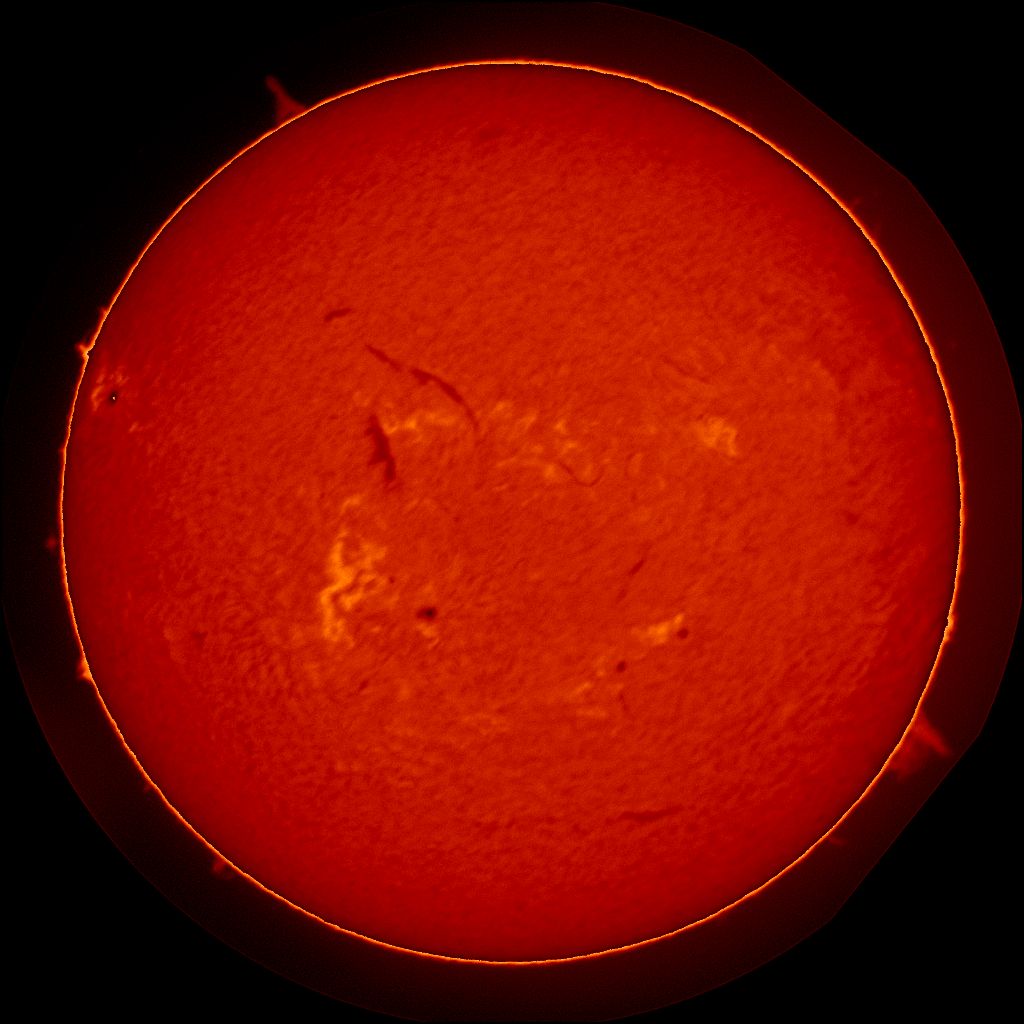
Solar chromosphere today

Solar chromosphere

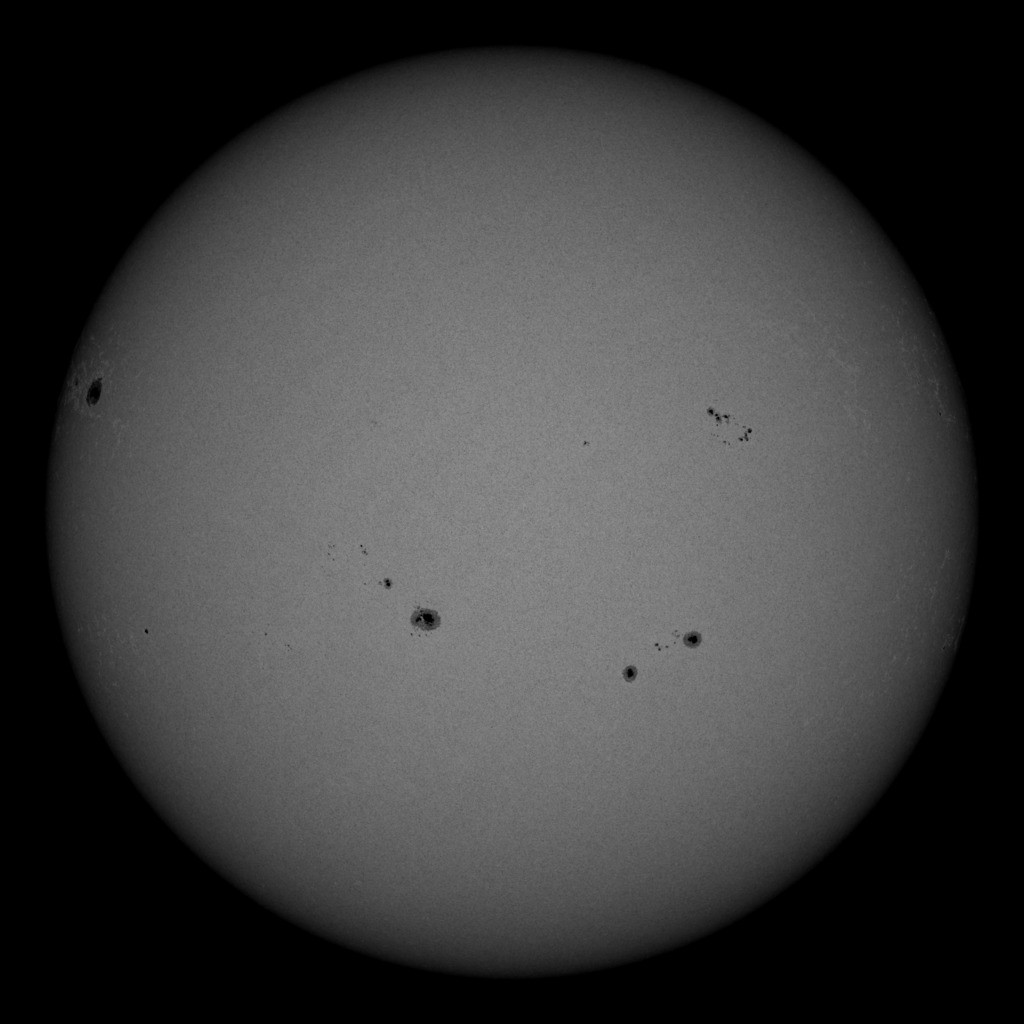
Solar photosphere today

Solar photosphere

(Sun in the visible rays)
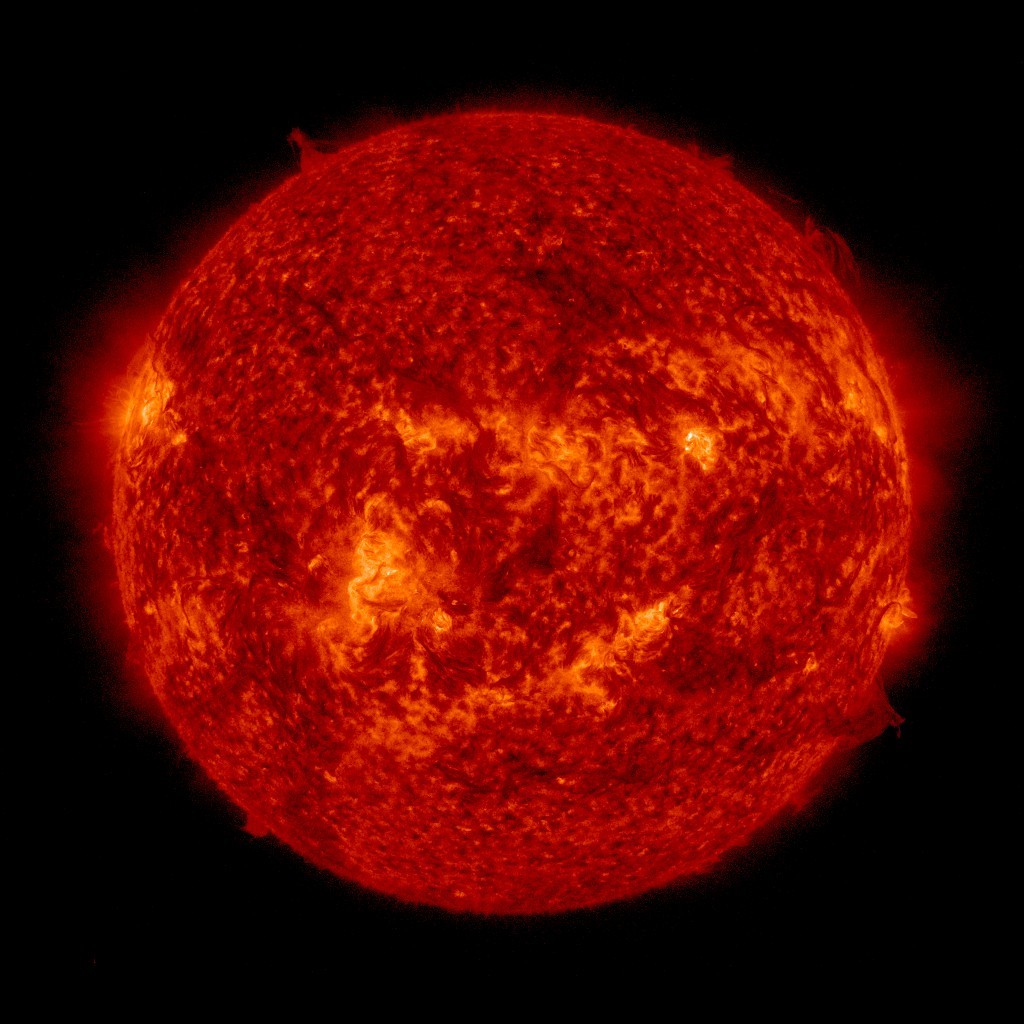
Transition region today
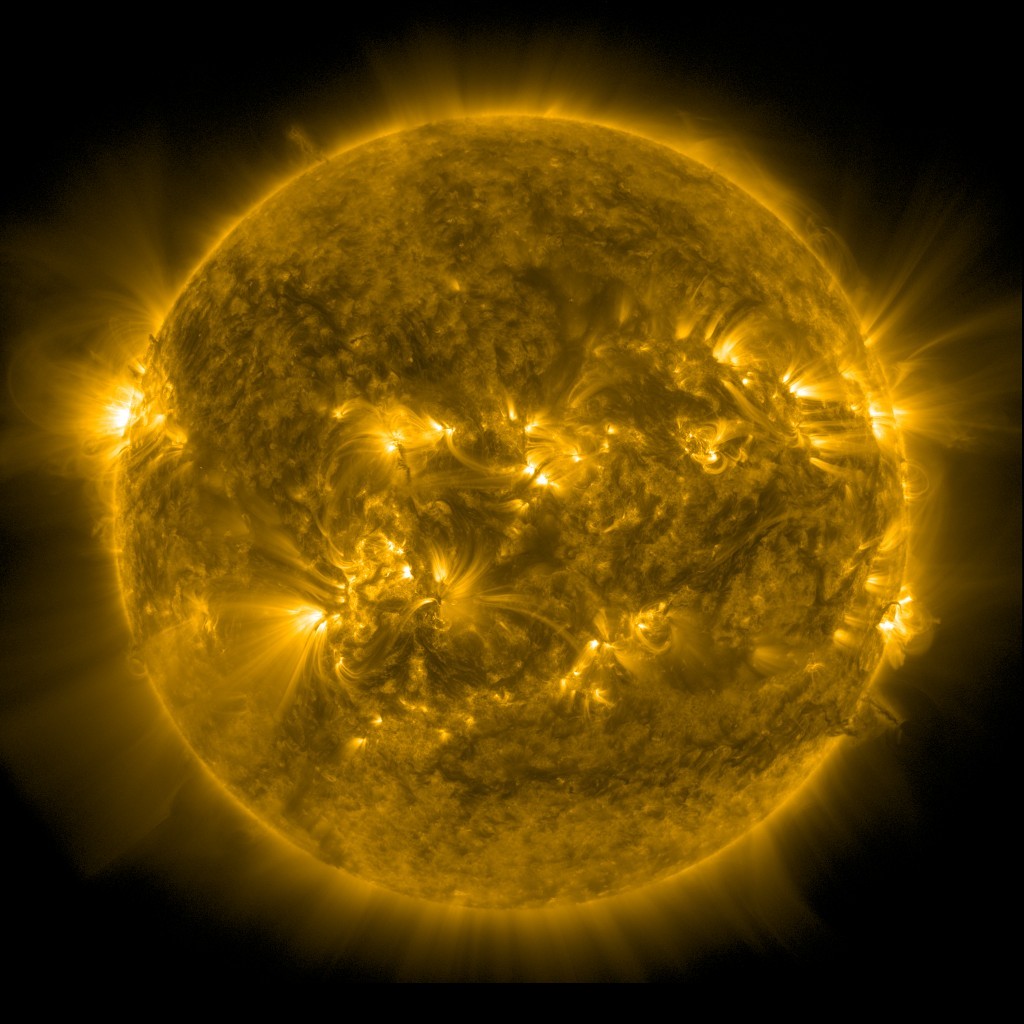
Transition region

The Solar corona today

The Solar corona

click image to view

View all Solar images

Sunspot groups

Sunspot groups

No sunspots and sunspot groups can be currently observed on the Sun's surface

Solar flocculi

No H-alpha plages without spots can be currently observed on the Sun's surfaceSunspots in more detail